Choosing the Right Thermoplastic Materials for Custom Plastic Molding
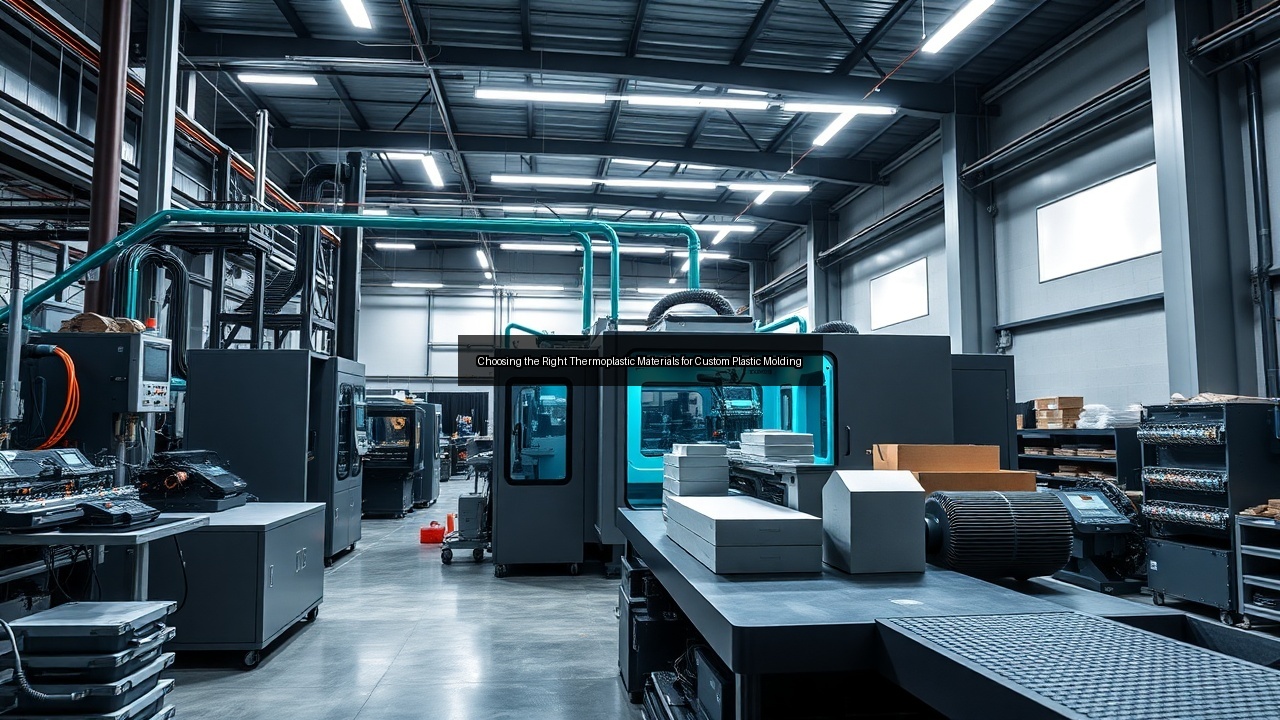
Understanding Thermoplastic Materials
Types of Thermoplastic Materials
Thermoplastic materials play a fundamental role in the world of custom plastic molding. These versatile polymers can be molded multiple times without significant degradation, making them ideal for various applications. Common types of thermoplastics include polycarbonate (PC), polyamide (nylon), polypropylene (PP), polystyrene (PS), and acrylonitrile butadiene styrene (ABS). Each of these materials possesses unique characteristics suited for specific purposes. For instance, polycarbonate is known for its high impact resistance and optical clarity, while polypropylene offers excellent chemical resistance and flexibility. Choosing the right thermoplastic material hinges on the intended application, desired properties, and performance requirements, ensuring optimal results in the molding process.
Properties of Thermoplastics
Thermoplastics exhibit several properties that make them advantageous for custom plastic molding. One key property is their ability to soften when heated and harden upon cooling, allowing for easy reshaping. This thermal reversibility enables manufacturers to create complex geometries with precision. Additionally, thermoplastics are generally lightweight, durable, and resistant to various environmental factors, including chemicals and moisture. Their excellent electrical insulation properties also make them suitable for electronic components. The versatility of thermoplastics allows for customization, enabling the production of molded plastic parts that meet specific design and functional requirements.
Advantages of Using Thermoplastics in Molding
Utilizing thermoplastics in custom plastic molding offers numerous advantages that can enhance production efficiency and product quality. One significant benefit is the rapid processing speed associated with injection molding techniques. Thermoplastics can be processed quickly, reducing cycle times and increasing productivity. They also allow for a wide range of finishing options, including painting, printing, and texturing, which can improve the aesthetic appeal of the final product. Furthermore, thermoplastics are recyclable, contributing to sustainable manufacturing practices. This combination of speed, versatility, and environmental consciousness makes thermoplastics a popular choice in the plastics industry.
Custom Plastic Molding Techniques
Injection Molding Basics
Injection molding serves as the foundation for custom plastic molding, offering precision and efficiency. During the injection molding process, heated thermoplastic material is injected into a mold cavity under high pressure. This process allows for accurate replication of complex shapes and features, including fine details and intricate designs. Once cooled, the material solidifies into the desired shape. The use of injection molds ensures high accuracy and repeatability, making it ideal for mass production. Industries ranging from automotive to consumer goods rely on injection molding due to its ability to produce high-quality molded plastic parts quickly and cost-effectively.
Overmolding and Its Applications
Overmolding enhances the functionality and aesthetics of plastic parts by combining two or more materials in a single molding process. This technique allows manufacturers to create components with varying properties, such as soft-touch surfaces or enhanced grip. Common applications of overmolding include producing ergonomic handles and protective casings for electronic devices. By integrating different materials, overmolding improves overall performance, durability, and user experience. This method also reduces assembly time and costs, as multiple components can be combined into one cohesive piece. The versatility of overmolding makes it a valuable technique in custom plastic molding.
Insert Molding: Enhancing Design
Insert molding offers another innovative approach in custom plastic molding, allowing for the integration of pre-formed components, such as metal threaded inserts, into the molded part. This technique enhances the design and functionality of the final product by providing additional strength and stability. Industries often utilize insert molding for applications requiring mechanical fastening or additional support, such as automotive and electronics manufacturing. By embedding these inserts during the molding process, manufacturers can create complex designs with reduced assembly time and improved performance. The precision achieved through insert molding contributes to high-quality, durable plastic parts.
Material Selection for Custom Plastic Molding
Evaluating Performance Requirements
Choosing the right thermoplastic material for custom plastic molding involves evaluating performance requirements critical to the application. Factors such as temperature resistance, tensile strength, and chemical compatibility play a pivotal role in material selection. For example, products exposed to extreme temperatures may require high-performance thermoplastics like polyphenylene sulfide (PPS) or liquid silicone rubber (LSR). Additionally, understanding the mechanical stresses the final product will face is essential to ensure the selected material can withstand operational demands. Careful assessment of these performance criteria helps manufacturers select thermoplastics that align with product specifications and longevity.
Cost Considerations and Pricing
Cost considerations significantly impact material selection in custom plastic molding. While advanced thermoplastics may offer superior performance characteristics, they often come with higher price tags. Manufacturers must balance performance needs with budget constraints, ensuring the selected material provides value without compromising quality. Pricing also varies based on factors such as order volume, material availability, and production techniques. Bulk purchasing can lead to cost savings, making it essential to plan production runs effectively. Transparency in pricing enables businesses to make informed decisions about material selection while staying within budgetary limits.
Impact of Logistics on Material Choice
Logistics plays a critical role in the selection of thermoplastic materials for custom plastic molding. Factors such as supply chain reliability, transportation costs, and inventory management influence material availability and pricing. Manufacturers must consider the lead times associated with sourcing specific thermoplastics, as delays can impact production schedules. Additionally, regional availability of certain materials may dictate options. Efficient logistics ensure that the right materials arrive on time, allowing for smooth operations and timely delivery of molded plastic parts to customers. By strategically managing logistics, businesses can enhance their overall manufacturing processes and reduce costs.
Quality Control and Prototyping in Custom Molding
Rapid Tooling and Its Benefits
Rapid tooling has transformed the prototyping phase in custom plastic molding, offering quick turnaround times and cost-effective solutions. This process utilizes techniques such as 3D printing to create molds and prototypes swiftly, allowing for faster product development cycles. Manufacturers can test designs, evaluate functionality, and make necessary adjustments before mass production. Rapid tooling minimizes the risk of errors and ensures that the final product meets quality standards. Through this approach, businesses can accelerate time-to-market while maintaining high-quality production, making it an essential aspect of modern custom plastic molding.
Quality Control Measures
Implementing robust quality control measures is essential in the custom plastic molding process. Quality assurance protocols ensure that molded parts meet specified standards for dimensions, strength, and aesthetic appearance. Regular inspections during production, including visual checks and measurements, help identify any deviations from quality benchmarks. Advanced technologies, such as automated inspection systems, can enhance accuracy and efficiency in quality control. Additionally, conducting thorough testing on finished products ensures they perform as intended in real-world applications. By prioritizing quality control, manufacturers can deliver reliable, high-quality molded plastic parts that satisfy customer expectations.
Integrating 3D Printing in Prototyping
Integrating 3D printing into the prototyping phase of custom plastic molding offers significant advantages in design and development. This technology allows for the creation of intricate designs and geometries that may be challenging to achieve with traditional molding techniques. 3D printing enables rapid iteration, allowing designers to experiment with modifications quickly. This agility streamlines the prototyping process, reducing lead times and costs. Furthermore, 3D-printed prototypes provide tangible models for testing fit and function, facilitating informed decision-making before full-scale production begins. The synergy between 3D printing and custom plastic molding enhances innovation and brings products to market faster.