The Science Behind Girth Welds and Their Structural Integrity
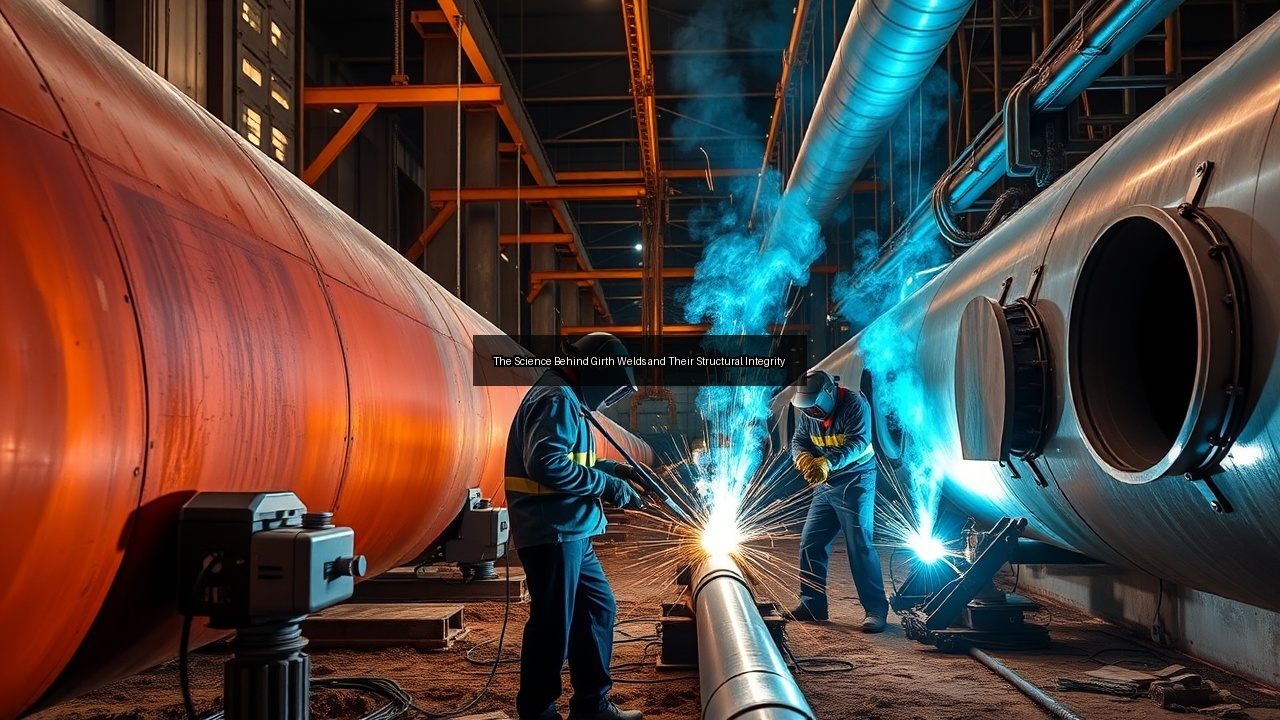
Understanding Girth Welds in Pipeline Construction
Definition and Importance of Girth Welds
Girth welds, often referred to as girth weld joints, connect sections of pipelines, ensuring the integrity and functionality of the entire system. These welds play a crucial role in maintaining pressure and preventing leaks, making them vital for the safety and efficiency of pipeline operations. Their importance extends beyond mere connectivity; they are essential for withstanding operational stresses, including temperature fluctuations and mechanical forces encountered during transportation. Properly executed girth welds enhance the overall reliability of pipelines, whether they transport gas, oil, or other fluids. In the context of pipeline construction, understanding the intricacies of girth welds becomes imperative for ensuring long-term structural integrity.
Common Materials Used in Girth Welding
Various materials are commonly utilized in girth welding, with stainless steel and carbon steel being the most prevalent. Stainless steel offers significant resistance to corrosion, making it suitable for pipelines transporting fluids that may cause degradation over time. Carbon steel, on the other hand, provides strength and durability, often used in high-pressure applications. Additionally, plastics such as polyethylene and PVC are used in specific pipeline types due to their lightweight properties and resistance to certain chemicals. The choice of material directly influences the weldability and overall strength of the girth weld, impacting the long-term performance of the pipeline. Each material presents unique challenges and advantages, and welders must adapt their techniques accordingly to ensure quality and reliability.
The Role of Welders in Pipeline Integrity
Welders play a pivotal role in ensuring the integrity of pipeline systems through their expertise in girth welding. Their proficiency in various welding methods directly affects the quality of the welds and, consequently, the structural integrity of the pipeline. Skilled welders understand the nuances of different materials, welding techniques, and the significance of maintaining optimal conditions during the welding process. They also perform critical tasks such as pre-weld inspections and post-weld evaluations to verify the quality of their work. The importance of proper training and certification cannot be overstated; certified welders adhere to industry standards, ensuring that each girth weld meets strict guidelines for safety and performance. Thus, the role of the welder extends beyond mere execution; it encompasses quality assurance and risk mitigation throughout the pipeline construction process.
Factors Influencing the Strength of Girth Welds
Welding Techniques and Their Impact on Strength
The choice of welding technique plays a significant role in determining the strength of girth welds. Various methods, such as shielded metal arc welding (SMAW), gas tungsten arc welding (GTAW), and friction stir welding, present unique advantages and challenges. For instance, friction stir welding utilizes a rotating tool to generate heat and join materials without melting them, resulting in welds with superior mechanical properties. Conversely, traditional methods like SMAW and GTAW can introduce defects if not executed properly, affecting the weld strength. The selection of an appropriate welding technique should consider factors such as material type, thickness, and the specific application requirements. Welders must also be adept at adjusting parameters like travel speed and electrode angle to optimize weld quality and strength.
Temperature Considerations During Welding
Temperature control during the welding process significantly influences the strength and integrity of girth welds. The heat generated affects not only the molten pool but also the surrounding base metal, which can change its microstructure. Excessive temperatures can lead to issues such as warping, cracking, and reduced strength in the finished weld. Conversely, insufficient heat may result in incomplete fusion and weak joints. Maintaining the appropriate preheat temperature before welding and controlling the interpass temperature during multi-pass welds are crucial to achieving optimal results. The welder’s ability to monitor and adjust temperatures ensures that the weld solidifies correctly, optimizing strength and reducing the likelihood of defects in the girth weld.
Weldability of Different Materials: Stainless Steel vs. Plastic
The weldability of materials significantly impacts the quality of girth welds. Stainless steel, known for its excellent corrosion resistance and strength, poses unique challenges due to its tendency to warp and crack during welding. Proper preparation, including cleaning and preheating, is essential for successful welding of stainless steel. In contrast, plastic materials like polyethylene and PVC offer ease of welding but require specific techniques such as butt fusion or electrofusion. Each material’s properties dictate the welding approach, affecting the overall strength and integrity of the girth weld. Understanding the nuances of different materials allows welders to select the right methods and parameters, ensuring high-quality connections in pipelines.
Inspection and Testing Methods for Girth Welds
Weld Inspection: Techniques and Best Practices
Weld inspection is a critical component of ensuring the quality and safety of girth welds in pipeline construction. Various techniques are employed to evaluate the integrity of welded joints, including visual inspection, which is the first line of defense in identifying surface defects. Certified inspectors employ best practices such as using magnifying tools and following established guidelines to assess weld quality. In addition to visual inspection, more advanced methods such as radiographic and ultrasonic testing are utilized to detect internal flaws that may not be visible externally. These inspection processes help identify issues like porosity, inclusions, or incomplete fusion, which could compromise the strength and reliability of the weld, ensuring the pipeline's longevity and safety.
Non-Destructive Testing: Ensuring Structural Integrity
Non-destructive testing (NDT) methods play a crucial role in maintaining the structural integrity of girth welds without girth weld joint damaging the pipeline itself. Techniques such as ultrasonic testing and magnetic particle inspection allow for thorough evaluation of weld quality. Ultrasonic testing employs high-frequency sound waves to detect internal defects, providing detailed information about the weld’s integrity. This method is particularly effective for assessing thick-walled pipes, where internal flaws can significantly impact performance. Other NDT methods, such as dye penetrant testing, identify surface cracks and discontinuities. By implementing robust NDT strategies, pipeline operators can effectively minimize risks, extend the lifespan of the infrastructure, and ensure compliance with safety standards.
Ultrasonic Testing and Its Applications in Girth Welds
Ultrasonic testing (UT) has become a standard practice in evaluating girth welds due to its accuracy and reliability. This non-destructive testing method employs sound waves to penetrate the weld and surrounding material, identifying flaws that could compromise structural integrity. UT can detect issues such as cracks, voids, and lack of fusion, offering a comprehensive assessment of the weld quality. The ability to provide real-time results enhances decision-making during construction and maintenance. Moreover, ultrasonic inspection is highly adaptable, making it suitable for various materials, including stainless steel and carbon steel. As pipeline technology advances, the application of ultrasonic testing continues to evolve, ensuring that girth welds meet stringent safety and performance standards.
Corrosion Resistance and Longevity of Girth Welds
Understanding Corrosion in Pipeline Applications
Corrosion poses a significant threat to the longevity of girth welds and pipelines as a whole. Environmental factors such as moisture, temperature fluctuations, and chemical exposure can accelerate corrosion processes, leading to structural failure. Girth welds, being the junction points in pipelines, are particularly vulnerable. Understanding the types of corrosion—such as pitting, crevice, and galvanic corrosion—enables engineers to implement appropriate protective measures. Coatings, cathodic protection systems, and the selection of corrosion-resistant materials play essential roles in mitigating these risks. Regular inspections and maintenance are critical for identifying early signs of corrosion, allowing for timely interventions that can extend the lifespan of pipeline systems.
Friction Stir Welding: A Novel Approach for Enhanced Durability
Friction stir welding (FSW) emerges as a cutting-edge technique that enhances the durability of girth welds. Unlike traditional welding methods, FSW joins materials through mechanical stirring, minimizing thermal distortion and improving the mechanical properties of the weld. This method offers numerous advantages, including reduced residual stress and enhanced corrosion resistance. FSW’s ability to produce high-quality welds without the need for filler materials makes it particularly advantageous for pipelines transporting corrosive substances. As industries continue to explore innovative welding techniques, friction stir welding stands out for its potential to revolutionize girth weld applications, ensuring robust and long-lasting pipeline integrity.
Literature Review: Best Practices for Girth Weld Maintenance
A comprehensive literature review reveals numerous best practices for maintaining girth welds and ensuring their long-term performance. Regular inspections, conducted through both visual and non-destructive testing methods, form the foundation of effective maintenance strategies. The literature emphasizes the importance of documenting inspection results to track the condition of the pipeline over time. Implementing protective coatings and cathodic protection systems can significantly reduce corrosion girth weld inspection risks, while periodic maintenance schedules allow for timely repairs and replacements. Additionally, training and certification of welders ensure high-quality workmanship, further reinforcing the integrity of girth welds. By adhering to these best practices, pipeline operators can effectively prolong the lifespan of their infrastructure and minimize the risk of failures, safeguarding both investments and the environment.