Why Every Manufacturer Should Consider Compression Molding Services
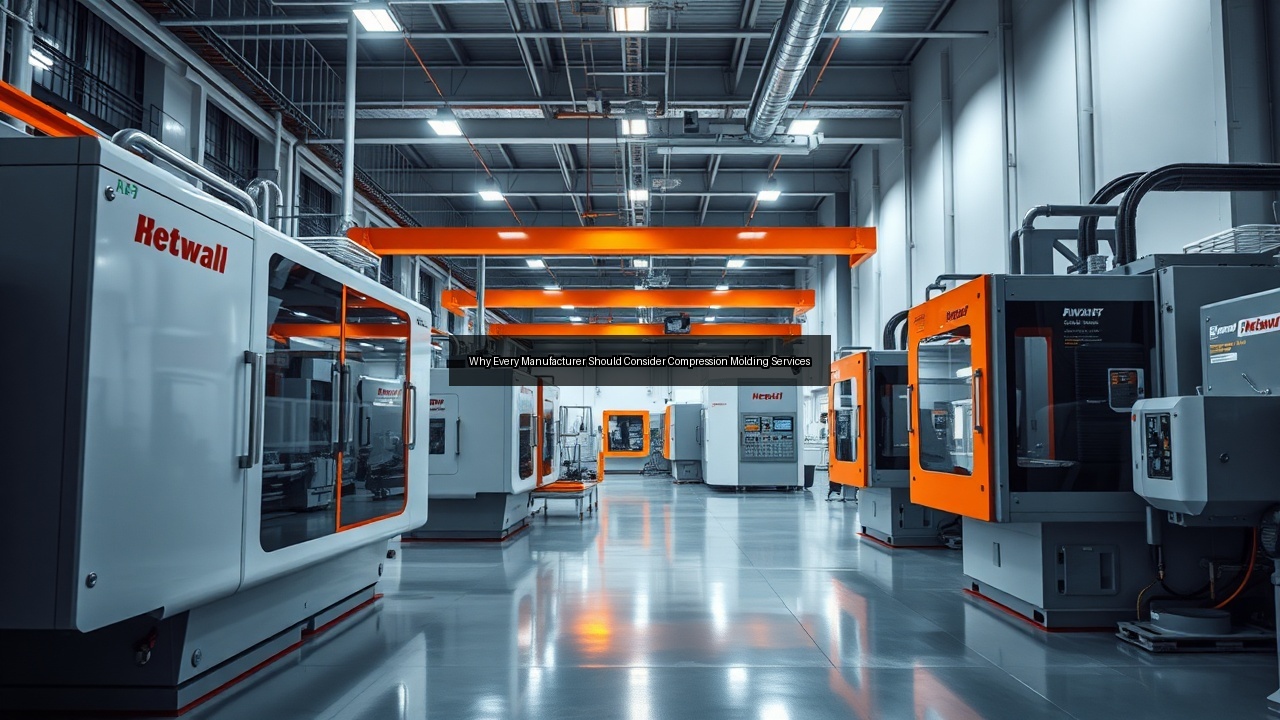
The Advantages of Compression Molding Services for Manufacturers
Cost-Effectiveness of Compression Molding
Manufacturers seeking to optimize their production processes often turn to compression molding services due to their cost-effectiveness. This technique requires lower initial investment compared to other molding methods, such as injection molding. The compression molding process utilizes less expensive machinery and molds, making it an attractive option for both small and large production runs. Additionally, it minimizes material waste, as manufacturers can efficiently use raw materials. The ability to produce complex shapes and components without excessive material loss leads to significant savings in the long run. Overall, companies can achieve high-quality products without stretching their budgets.
Versatility in Material Use
Compression molding stands out for its versatility in material use, accommodating a wide range of plastics and composites. Manufacturers can utilize various materials, including thermosetting and thermoplastic resins, to create customized products that meet specific performance criteria. This flexibility enables manufacturers to tailor their offerings to different industries, from automotive to consumer goods. Moreover, the compression molding process allows for the use of fillers and reinforcements, enhancing the properties of the molded components. This adaptability makes compression molding a go-to choice for manufacturers looking to innovate and meet diverse market demands.
Enhanced Production Speed and Efficiency
Efficiency plays a crucial role in manufacturing, and compression molding services excel in this area. The compression molding process involves a straightforward sequence that accelerates production times. Once the molds are created, they can churn out parts quickly, allowing manufacturers to meet tight deadlines and increase output. The curing time for compression molded parts is often shorter than that of other methods, resulting in faster turnaround times. With enhanced production speed, manufacturers can respond promptly to market changes and customer demands, thereby maintaining a competitive edge in their respective industries.
Understanding the Compression Molding Process
Step-by-Step Overview of Compression Molding
The compression molding process follows a systematic approach, ensuring consistency and quality in the final products. Initially, manufacturers prepare the compression mold by heating it to a specific temperature. Next, they place a pre-measured amount of raw material—often in the form of a pellet or sheet—into the heated mold cavity. Once the mold is closed, pressure is applied, allowing the material to flow and fill the cavity completely. The heat aids in curing the material, transforming it into a solid form. After a predetermined time, the mold opens, and the finished, compression molded part is ejected. This straightforward process showcases the efficiency and effectiveness of compression molding services.
Comparison with Injection Molding Techniques
While both compression molding and injection molding are popular manufacturing techniques, they differ significantly in their processes and applications. Injection molding involves injecting molten plastic into a mold under high pressure, which is ideal for producing intricate designs and complex geometries. However, this method requires more expensive molds and machinery and has higher initial costs. In contrast, compression molding is more suited for simpler shapes and larger parts, making it a cost-effective solution for manufacturers focusing on high-volume production. Understanding these differences allows manufacturers to choose the most appropriate molding service based on their specific needs and budget constraints.
Common Applications in Various Industries
Compression molding finds applications across multiple industries due to its adaptability and cost-effectiveness. In the automotive sector, manufacturers use compression molded parts for components such as dashboards and bumpers, where durability and resistance to extreme conditions are crucial. The food and beverage industry also benefits from this process, utilizing compression molded containers that maintain product integrity. In the medical field, manufacturers rely on compression molding for producing equipment and devices, ensuring compliance with stringent safety standards. The versatility of compression molding services makes them indispensable across a wide range of applications, satisfying diverse industry requirements.
Key Industries Benefiting from Compression Molding
Food and Beverage Packaging Solutions
The food and beverage industry relies heavily on compression molding for packaging solutions. Manufacturers utilize this process to create containers and lids that are both durable and safe for food storage. Compression molded packaging must meet strict regulatory standards to ensure food safety, making this process an ideal choice for producing high-quality, compliant products. The ability to mold complex shapes with precise dimensions allows for optimal stacking and storage, enhancing efficiency in distribution. Furthermore, the use of sustainable materials in compression molding aligns with the growing demand for eco-friendly packaging solutions, benefiting manufacturers and consumers alike.
Medical Equipment and Medications
Compression molding plays a vital role in the production of medical equipment and medications. Manufacturers benefit from the ability to produce precise and reliable components that meet rigorous health and safety standards. Compression molded parts can be found in various medical devices, including surgical instruments, housings, and drug delivery systems. The durability and biocompatibility of materials used in compression molding are crucial for ensuring the safety and effectiveness of medical products. As the healthcare industry continues to evolve, the demand for high-quality compression molded components is set to grow, making this service critical for manufacturers in the sector.
Hardware Components and O-Rings
Hardware manufacturers frequently turn to compression molding services for producing O-rings and other essential components. O-rings play a critical role in sealing applications, preventing leaks in mechanical systems. The precision and durability of compression molded O-rings ensure optimal performance in various environments, from automotive to industrial machinery. Manufacturers appreciate the ability to create custom sizes and materials tailored to specific applications, enhancing their product offerings. Additionally, the low-cost production of O-rings through compression molding enables manufacturers to maintain competitiveness in the hardware market while ensuring high-quality standards.
Choosing the Right Compression Molding Service Provider
Factors to Consider When Selecting a Molding Service
Choosing the right compression molding service provider is crucial for manufacturers aiming to achieve high-quality results. Several factors must be considered during this selection process. First, evaluate the provider's experience and expertise in the specific industry relevant to your needs. A knowledgeable provider understands the nuances of different materials, processes, and quality standards. Additionally, consider their capacity to handle your production volume and timelines. A reliable provider should demonstrate flexibility and scalability to adapt to changing demands, ensuring that your manufacturing process remains seamless and efficient.
Importance of Design and Fabrication Expertise
Design and fabrication expertise significantly influence the success of compression molded products. A service provider with strong design capabilities can help manufacturers optimize their product designs for better performance and manufacturability. This includes understanding material properties and how they interact during the compression molding process. Effective communication between the manufacturer and the service provider ensures that potential design challenges are addressed early, minimizing delays and costly errors. Ultimately, selecting a provider with robust design and fabrication expertise can lead to enhanced product quality and overall satisfaction.
Evaluating Quality Control in Compression Molding
Quality control remains a fundamental aspect of any successful manufacturing operation. When selecting a compression molding service provider, assess their quality control processes to ensure they meet industry standards. A reputable provider should implement rigorous testing and inspection protocols at various stages of production. This includes evaluating the integrity of the compression molds, monitoring material properties, and conducting final inspections of the molded parts. Thorough quality control not only guarantees that products meet customer specifications but also fosters trust and long-term relationships between manufacturers and service providers.
See Also
- The Impact of Compression Molding on the Medical Device Industry
- Comparing Compression Molding and Other Molding Processes for Effective Solutions
- Why Compression Molding is the Go-To Choice for Durable Hardware
- The Essential Guide to Compression Mold Maintenance and Care
- The Future of Compression Molding in the Age of Smart Manufacturing