Synthetic vs Conventional Grease Which is Best for Industrial Use
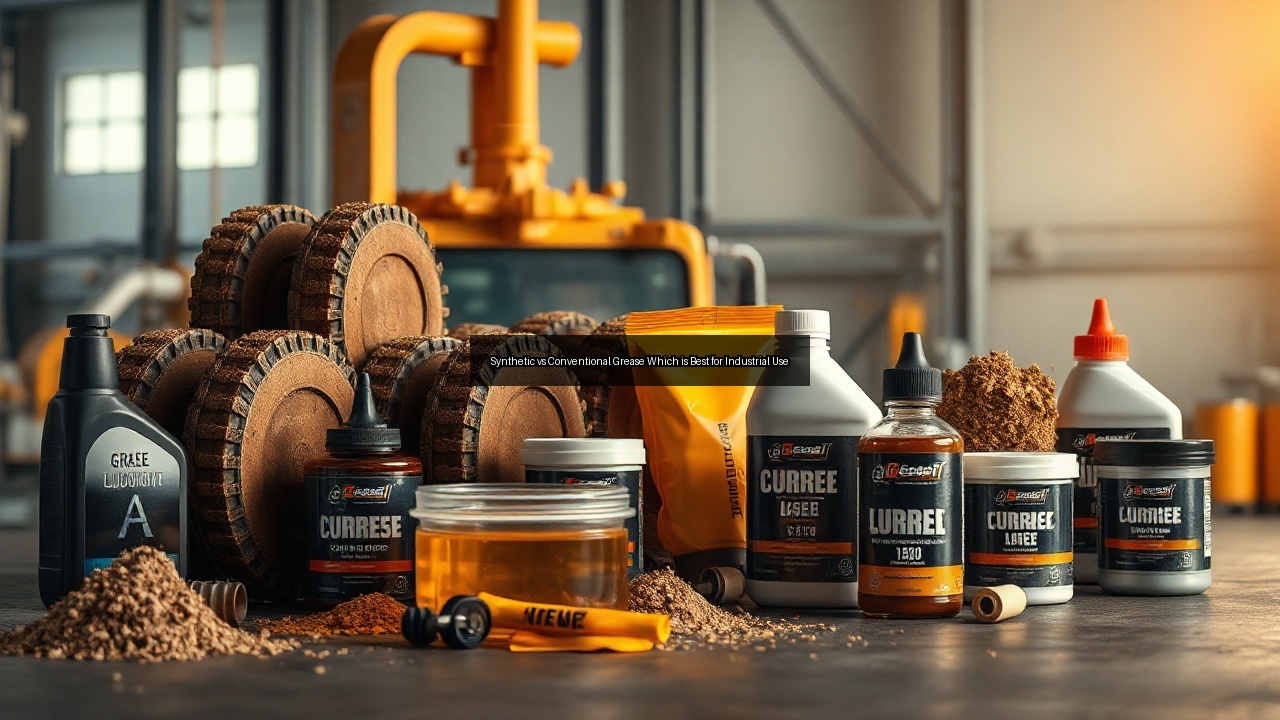
Understanding Industrial Grease Types
Overview of Industrial Grease
Industrial grease plays a crucial role in maintaining the performance and longevity of machinery across various sectors. Unlike oil, grease contains a thickening agent that allows it to adhere to surfaces, providing long-lasting lubrication. This property is essential in environments where oil might wash away or evaporate. Greases are designed to withstand high temperatures, pressures, and environmental conditions, making them indispensable in industrial applications.
Importance of Grease in Various Industries
Industries depend on high-quality lubricants to ensure smooth operations. In manufacturing, lubricating grease reduces friction between moving parts, preventing wear and tear. In sectors like transportation and energy, grease ensures the efficiency of crucial components such as axles and bearings. The oil and gas industry relies heavily on industrial grease for the lubrication of drilling equipment and gas pipelines, ensuring safety and performance in challenging environments. Overall, the right grease type enhances productivity by minimizing downtime due to equipment failure.
Key Components of Grease
Understanding the composition of grease is vital for selecting the right type for specific applications. Grease primarily consists of a base oil, thickener, and additives. The base oil, often mineral or synthetic, determines the lubricant's viscosity and performance. Thickeners, typically soap-based or non-soap, give grease its semi-solid form, while additives enhance properties such as oxidation resistance, corrosion prevention, and extreme pressure performance. This combination of components allows grease to meet the diverse demands of industrial applications, making it a versatile lubricant choice.
Synthetic vs Conventional Grease
What is Synthetic Grease?
Synthetic grease utilizes chemically engineered base oils designed to outperform conventional greases in various metrics. These synthetic lubricants offer superior thermal stability and oxidation resistance, making them ideal for high-temperature applications. Commonly used in demanding environments, synthetic grease remains stable under extreme conditions, ensuring consistent lubrication over extended periods. Industries often prefer synthetic options for their ability to reduce friction and wear, thus enhancing equipment reliability and lifespan.
Advantages of Synthetic Grease
The advantages of synthetic grease make it an attractive choice for many industrial applications. First, synthetic greases exhibit excellent low-temperature performance, ensuring effective lubrication even in frigid conditions. This characteristic is crucial for machinery operating in colder climates. Additionally, synthetic grease generally has a longer service life compared to conventional grease, reducing the frequency of reapplication and maintenance. Their enhanced resistance to thermal breakdown and oxidation minimizes the risk of equipment failure, leading to lower operational costs over time.
Limitations of Synthetic Grease
Despite its numerous benefits, synthetic grease comes with some limitations. The primary drawback is its higher cost compared to conventional grease. For businesses operating on tight budgets, this can present a significant barrier to adoption. Additionally, synthetic greases may not be compatible with all types of seals or materials used in machinery, leading to potential issues if not properly vetted for specific applications. It’s essential for engineers to consider these factors when choosing greases for industrial use to ensure optimal performance.
What is Conventional Grease?
Conventional grease, typically derived from mineral oil, has been a staple in industrial lubrication for decades. It is often more affordable than synthetic alternatives, making it a popular choice for many applications. Conventional greases rely on natural properties of the base oils and thickeners to provide lubrication. While they may not match the performance of synthetics in extreme conditions, they offer reliable lubrication for everyday industrial needs, especially in moderate environments.
Advantages of Conventional Grease
The advantages of conventional grease include cost-effectiveness and widespread availability. Many industries have relied on conventional greases for years, leading to a wealth of knowledge regarding their performance and applications. This familiarity grease types ensures that businesses can easily source products that meet their requirements. Conventional greases can also provide adequate lubrication in standard operating conditions, making them suitable for less demanding applications where high performance is not critical.
Limitations of Conventional Grease
Conventional grease faces limitations in high-temperature or extreme pressure environments. Its thermal stability is often inferior to that of synthetic alternatives, which can lead to faster degradation and the need for more frequent reapplication. Additionally, conventional greases may not provide the same level of protection against oxidation and corrosion, reducing their effectiveness in harsh operating conditions. Industries must carefully evaluate their lubrication needs to determine if conventional grease is sufficient for their applications.
Applications in Various Industries
Use of Grease in Energy Sector
The energy sector, particularly in oil and gas, relies heavily on effective lubrication to maintain equipment performance. Grease is essential for the operation of drilling rigs, pumps, and compressors. The use of high-quality lubricating grease can significantly enhance the efficiency of these machines, reducing downtime and maintenance costs. In wind energy, grease is crucial for lubricating bearings in turbines, ensuring smooth operation even in the most demanding weather conditions. The right grease type directly impacts energy production and operational reliability.
Grease Applications in Transportation
Transportation industries utilize greases to enhance the performance of various vehicles and equipment. Axle grease, for instance, is vital in ensuring the smooth operation of trucks and heavy machinery. Greases provide essential lubrication for bearings, gears, and joints, reducing friction and wear. In aviation, specialized greases help maintain the performance of landing gear and other critical components. Grease products tailored for transportation applications not only improve efficiency but also contribute to overall safety and reliability.
Lubricating Bearings in Cement and Oil & Gas Industries
Both the cement and oil & gas industries depend on reliable lubrication for their operations. Bearings in cement plants endure harsh conditions, including dust and high temperatures, requiring greases that can withstand these challenges. Oil and gas industries face similar demands, where equipment operates under extreme pressures and temperatures. Choosing the right lubricating grease ensures that bearings remain operational, minimizing the risk of breakdowns and enhancing productivity. Proper lubrication extends equipment life and reduces the frequency of costly repairs.
Role of Grease in Data Centers and Condition Monitoring
Data centers rely on precision engineering to maintain optimal performance. Grease plays a vital role in lubricating cooling fans and other moving parts within these facilities. Effective lubrication helps maintain the airflow needed for cooling, preventing overheating and ensuring efficient operation. Condition monitoring tools often assess the performance of lubricants in data centers, ensuring that the right type of grease is used and that it remains effective over time. Regular checks on grease quality contribute to the overall reliability and longevity of critical data center equipment.
Choosing the Right Grease for Industrial Use
Factors Influencing Grease Selection
Choosing the right grease for industrial applications involves several critical factors. First, consider the operating temperature range of the machinery. High temperatures may necessitate synthetic options, while moderate conditions might suit conventional greases. The load conditions, whether light or heavy, also influence the choice; some greases perform better under specific pressures. Additionally, environmental factors such as moisture and contamination levels can dictate the type of grease required. Evaluating these factors ensures that the selected grease provides optimal lubrication.
Understanding Oil Viscosity
Oil viscosity plays a significant role in the selection of industrial greases. Viscosity affects how well grease flows within a bearing or mechanical component. Higher viscosity greases offer better load-carrying capacity but may flow poorly at lower temperatures, while lower viscosity greases provide better flow at low temperatures but may not withstand high loads. Understanding the specific needs of the application and the relevant oil viscosity can guide engineers in selecting the most appropriate grease type for optimal performance.
The Role of Special Additives in Industrial Lubricants
Special additives enhance the performance of industrial lubricants, including greases. These additives can improve properties such as anti-wear, extreme pressure resistance, and corrosion protection. For instance, anti-wear additives form a protective layer on surfaces, reducing friction and wear. Extreme pressure additives help greases perform well under high load conditions, while corrosion inhibitors protect metal surfaces from moisture and contaminants. Selecting greases with the right combination of additives ensures that they meet the demanding requirements of various industrial applications.
See Also
- Grease Types Explained Understanding the Essential Role of Lubrication
- From Axle Grease to Synthetic Solutions A Journey Through Industrial Lubricants
- Unlocking the Benefits of High-Performance Lubricants in Industrial Settings
- Transporting Efficiency Choosing the Right Grease for Automotive Applications
- Condition Monitoring and Industrial Grease How to Keep Your Equipment Running Smoothly